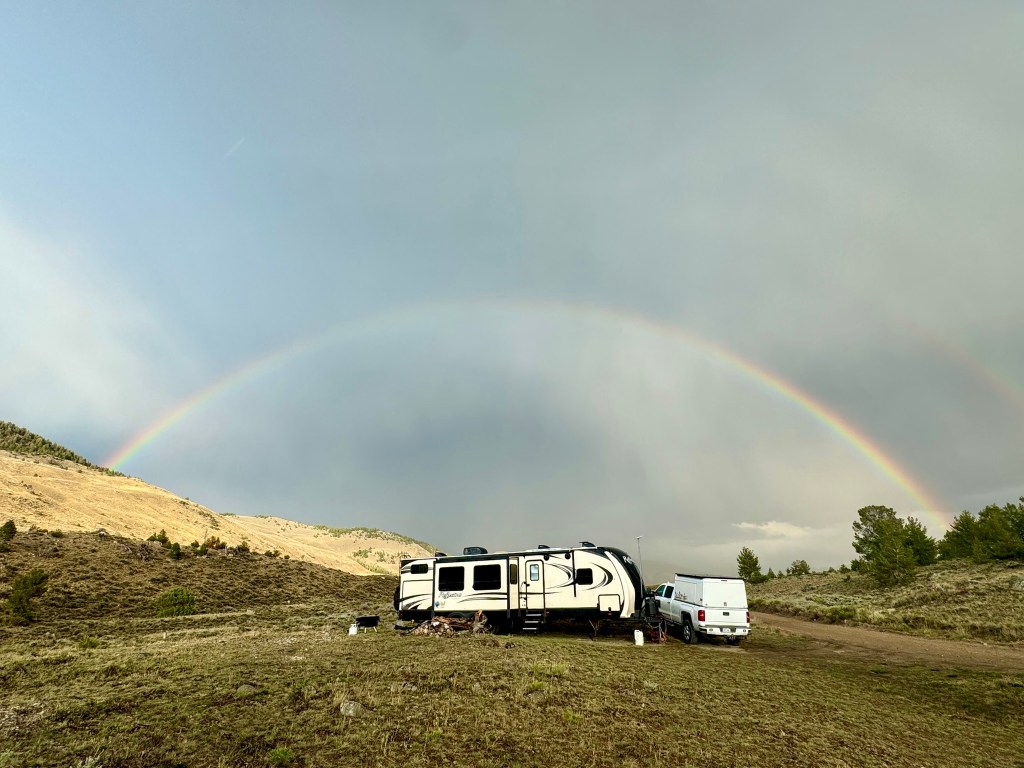
Living and traveling in an RV was something we decided, as a family, that we wanted to do. We wanted more focused time together, more intentional living, and more shared experiences while the kids were little. It was a way of life we were excited to venture into, but being the planners that we are, we didn’t just jump into it blindly.
We spent years planning, preparing, and learning as much as we possibly could in an effort to be ready for anything we might encounter on the road. But, as anyone could probably tell you, you never truly know how something is going to go until you’re fully in it.
And after four months of full-time RV living, we’ve learned a lot. We’ve also realized that some of our expectations have shifted along the way.
Expectations vs. Reality
We Expected: Long Stays, Plenty of Time, and a Slower Pace
When you think of full-time RVing, you might picture constant adventures, a national park or long hike every day, constantly seeing new places, and dinners around the campfire every night.
We did expect to do those things. But we didn’t intend to do them all the time.
We actually expected to take our time and do things slowly. We planned on staying two to three weeks at each location, giving us plenty of time for exploration and adventure days as well as lazy days at camp.
In reality, we ended up moving a lot faster than we expected—or even wanted to.
I think part of the reason is that when you start a vacation, you’re excited. You want to do something thrilling every day. You want to make the most of every place you visit and make sure you don’t miss any of the cool things around you.
But when you take that same mindset and apply it to a life that isn’t a vacation but a lifestyle, you burn out pretty quickly.
Our average stay in the beginning was probably four or five nights. We were moving constantly, filling our days, trying to see everything, and quickly becoming exhausted.
We’ve learned that to truly enjoy this life, we need to do what we originally intended: slow way down.
It’s okay if we get bored. It’s okay to have days where we don’t have anything planned. In fact, those slow days make the days filled with adventure feel even more special.
We Expected: Sad Moments, Missing Family, and Feeling Isolated
One of our biggest concerns was that the kids would have a hard time being away from family and friends.
We have always had close relationships with our family and saw friends or family members literally every day when we lived in a house. Leading up to full-time RVing, the kids talked a lot about missing their grandparents and friends and feeling nervous about leaving.
We definitely expected that after the initial excitement wore off, there would be a period of time when we all started missing friends and feeling homesick.
Not to make our friends or family feel left out, but honestly, we haven’t had that overwhelming sad feeling.
We’ve kept ourselves pretty busy and have seen so many new things that we really haven’t had much time to sit around and feel sad. We keep in touch through phone calls, text messages, and social media, which has helped us stay connected to the people we aren’t seeing every day anymore.
And while we absolutely miss people, we’ve also realized that missing someone and being unhappy with our decision are two very different things.
We Expected: Minimal Surprises Due to Heavy Planning
We prepared for as much as we possibly could.
I made a travel budget that included every bill and possible expense I could think of. We “hardened” the trailer and truck as much as we could to limit the possibility of things breaking. I planned and booked campsites months in advance to make sure we always had a plan for where we were going.
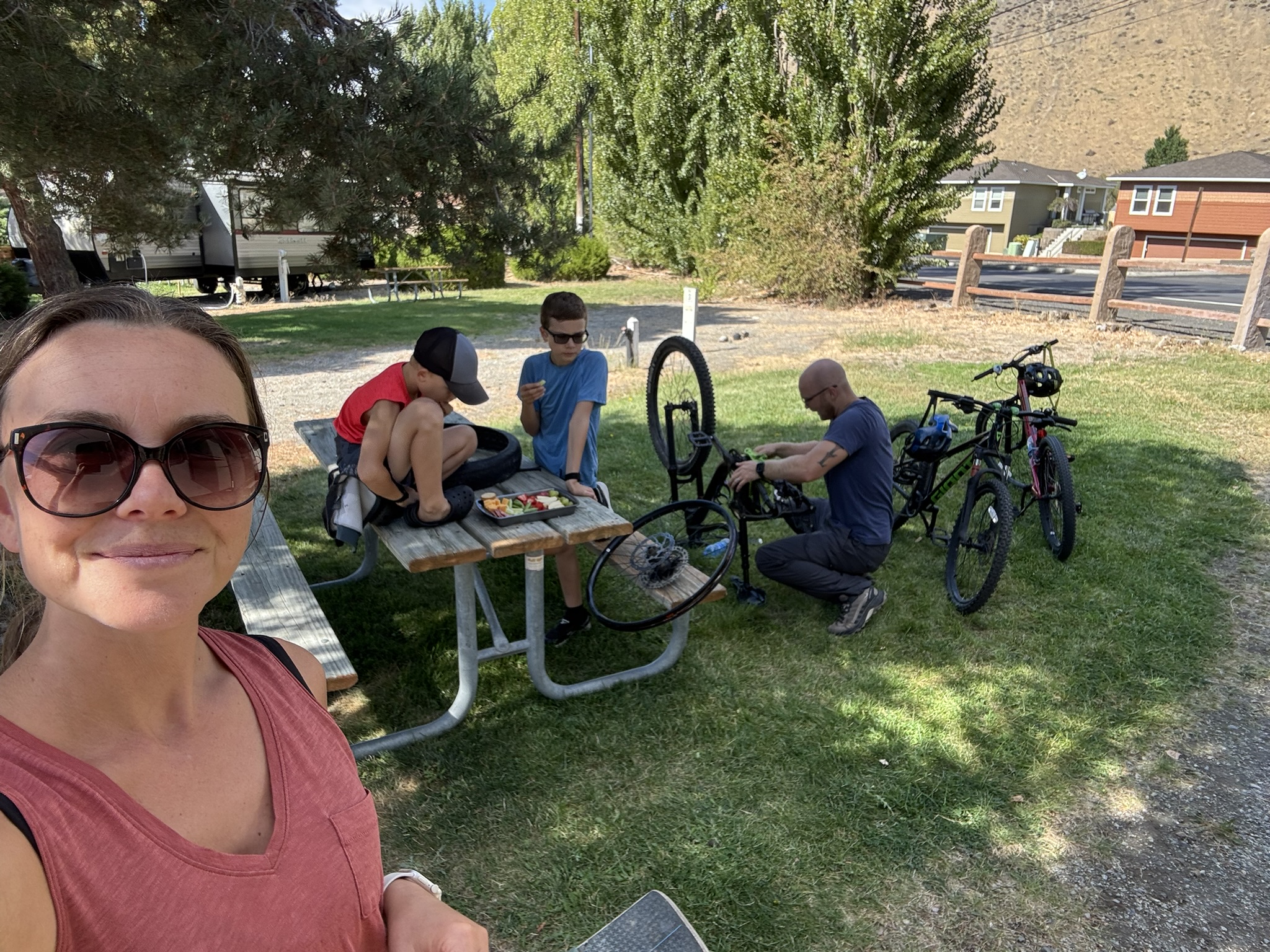
We were ready for whatever could be thrown at us, and honestly, we felt prepared even if something unexpected came up. We knew we’d eventually have maintenance and repairs because that’s just part of owning an RV.
What we didn’t expect was to have so much maintenance right away.
We’ve had a major expense or maintenance item come up almost every month we’ve been out. Now, we’re still pretty early into this journey, so maybe we just needed to work out the final kinks and things will slow down from here. But it was definitely a surprise to have around $1,000 in unexpected repairs or maintenance come up each month during our first four months of travel.
And it wasn’t just our budget that threw us some surprises. We also realized that planning too far in advance can have its own problems.
We’ve altered our route multiple times because of maintenance, weather, campground availability, or simply because we changed our minds about what we wanted to do.
It has definitely taught us to be a little more flexible when it comes to both planning and budgeting.
We Expected: Boondock a Ton, Save a Ton
We had enough money budgeted for lodging if we needed to pay for camping every night, but that was an expense we knew we could potentially save on if we could camp for free.
We intended to spend some of our time in campgrounds, but also spend a good portion of each month boondocking and camping for free all over the country.
We really enjoyed boondocking and being off the grid. There was a sense of freedom and independence that came with being out in the middle of nowhere, living off our own supplies and energy. We looked forward to doing this all over the country.
What we came to find is that finding free dispersed camping isn’t always as easy as we thought it would be.
We used apps to find free camping spots, but sometimes those locations turned out to be too small, not actually a campsite, or just too difficult to find with a 37-foot trailer.
We found it much easier to rely on primitive Forest Service campgrounds for a cheap nightly rate rather than hoping we’d find a spot that an app said might be there.
But we also discovered something we didn’t expect:
We really enjoy having hookups.
Boondocking and off-grid camping is still fun, and we absolutely enjoy it—occasionally.
But after a week of conserving water and energy, it’s really nice to open that gray valve and take a long shower without a care in the world.
Sometimes luxury is just an unlimited water supply!
What We’ve Learned
The biggest thing we’ve learned is that no matter how much you plan, prepare, or research, you never truly know what something is going to be like until you’re completely in it.
We had been camping for years. We knew what trailer life was like. We knew what we enjoyed and what we didn’t.
But honestly, we’ve surprised ourselves with some of the things we expected to love about this lifestyle versus how we actually enjoy living this way.
It’s definitely a lifestyle where you learn as you go. And we expect that will continue. The longer we do this, the more we’ll figure out what works for us, what doesn’t, and what we want to change.
As we continue, there are definitely things we plan to do differently than we have been.
Here’s our advice to ourselves—and to anyone considering this lifestyle:
Slow Down.
You don’t have to maximize every location.
You will burn out if you don’t give yourself time to do nothing. Enjoy the slow days just as much as the adventure days.
Some of our favorite memories so far haven’t involved a national park, a big hike, or some incredible destination. They’ve happened sitting around the campsite, talking, playing, or simply being together.
Leave Room for the Unexpected.
Not everything can be planned for.
Things will break. Plans will change. Weather will interfere. Campgrounds won’t always work out the way you expected.
It’s not worth getting frustrated over every change of plans. Be flexible, adjust, and go with the flow. Sometimes the changed plan ends up being better than the original one anyway.
The Campground Community Matters.
Some of our travels have been spent visiting friends and family in other states. But much of the time, it’s just the four of us.
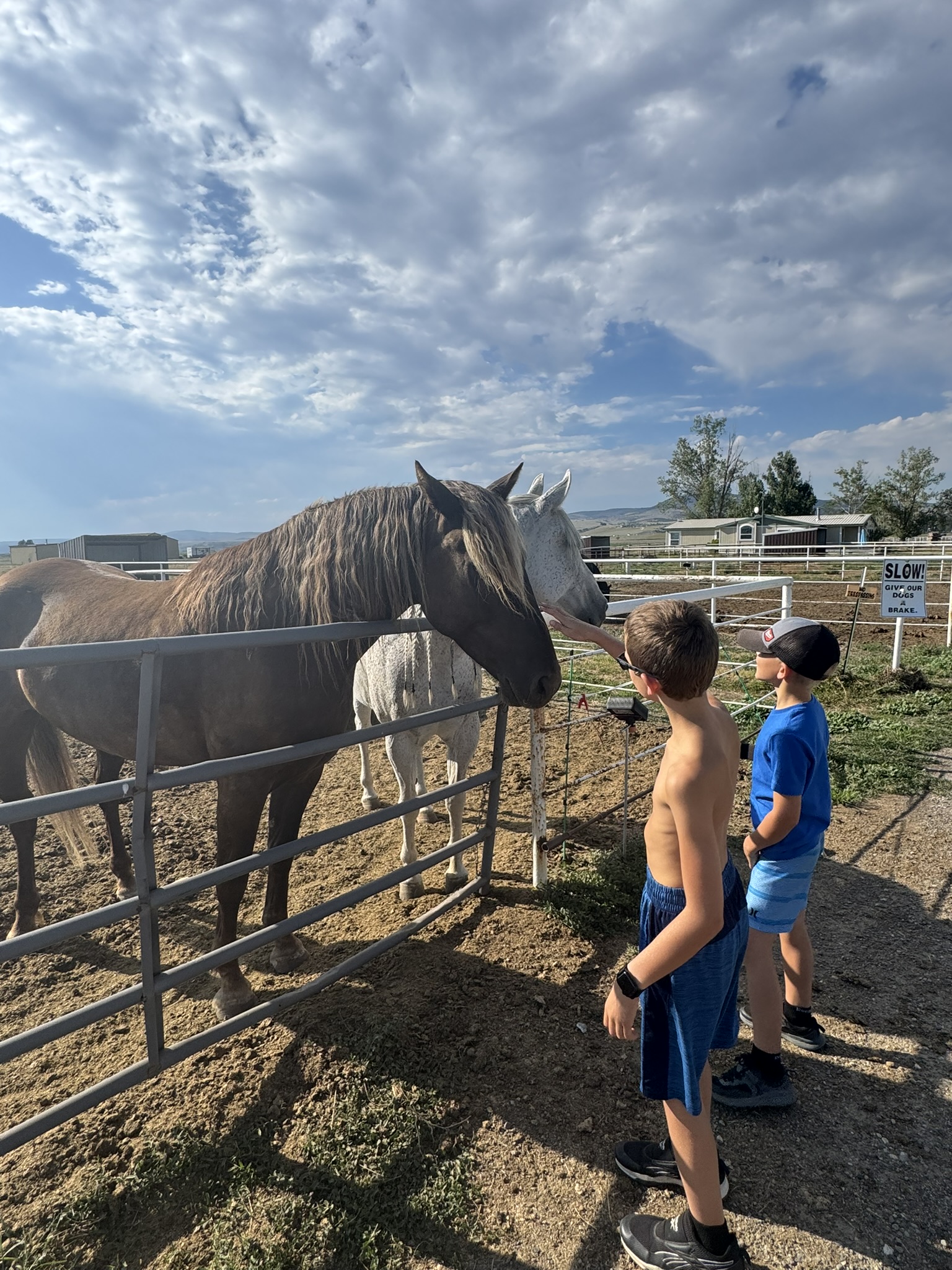
Some of the kids’ favorite places so far have been campgrounds where they made friends and spent hours running around and playing with other kids.
As much as we love spending this close time together, we’ve also realized how much it fills our bucket to meet kind people and make new friends along the way. We have met some very cool people and have had great conversations with total strangers and it reminds us that the need for human connection is a real thing.
We Don’t Need to Have a Busy Day to Have a Good Day.
So many people living the typical American Dream have packed schedules. School, work, sports, music lessons, social obligations, errands, appointments.
We’ve found that some of our best days are the days when we have nothing planned.
They’re the days when we go for a long walk, skip rocks in the river, play a board game, watch a movie, or roast s’mores.
It’s okay if the kids get bored.
It’s okay if we sit for an hour and read a book.
It’s okay to have a day where we don’t accomplish anything.
The most important thing to us is that we’re doing what we want to do—not doing something because we feel like we have to do it.
How We’re Feeling Four Months Later…
If you’re wondering after all of this whether we’re still happy we did this, the answer is absolutely.
We have no regrets about choosing this lifestyle.
Any lifestyle you choose is going to throw curveballs at you and have its moments that you don’t necessarily love. Living and traveling in an RV is no different.
We still have bills. We still have responsibilities. We still have the normal life stuff that everyone deals with.
But with this way of life, we also have less noise surrounding all of that life stuff.
We don’t have the work parties you feel obligated to attend even when you don’t want to. We don’t have the mundane routine of work, errands, weekends, repeat. We don’t have the distraction of busy schedules constantly pulling everyone in different directions.
What we do have is more time together, open schedules, and endless opportunities to make unforgettable memories together.
We have a new backyard every week or month.
We have new friends being made all across the country.
We have visits with distant family and friends—and sometimes we get to meet people we never would have crossed paths with otherwise.
We have the freedom to change our plans when something isn’t working.
And most importantly, we have more control over our own lives: what we do, where we go, and how we choose to spend our time.
This lifestyle isn’t for everyone. And we’re not saying it’s the right way to live. It’s just what we’re choosing at this stage of our lives.
We won’t do it forever. We’re really not sure how long we’ll keep going on this journey. But fortunately, we have the freedom to make that decision whenever we feel it’s time for something different.
For right now, life is on our terms. And four months in, it feels pretty good.


Leave a Reply