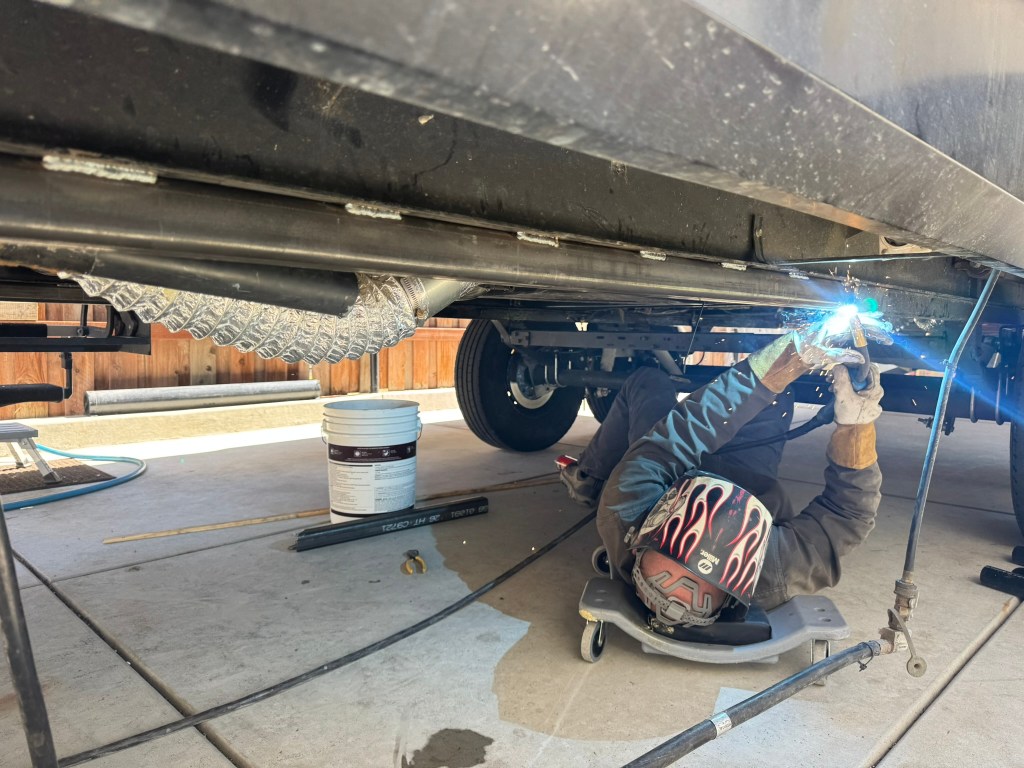
When most people think of RV upgrades, they picture things like new paint, stylish furniture, or a beautifully remodeled interior. The kinds of changes that make for a great before-and-after photo! But, for us, one of the most important upgrades we’ve ever made to our trailer is something no one will ever notice.
It’s not flashy. It doesn’t show up in photos. In fact, most people would never even realize the difference. But it’s arguably the most important improvement we’ll ever make.
To make our trailer bullet proof for our lifestyle, we reinforced the structural integrity of our trailer.
Discovering a Problem
We (and by we, I mostly mean Dustin) realized something needed to change when we discovered our trailer was overweight. We have a Grand Design Reflection 312BHTS and the GVWR is 10,995 pounds. For all you non-mechanical people like myself, that means the total weight of the trailer fully loaded should not exceed 10,995 pounds. Between full-time living, outdoor gear, and the normal weight of a family traveling long-term, we quickly realized we were pushing the limits.
Our trailer model specifically is also a park model. That means it’s meant to drive, likely on a paved road, to a park and stay there for a while before driving back on that nice, paved road. But that’s not how we camp. We do a lot of OHV dry camping, hit a lot of rough dirt roads, and move often. So even though we drive very carefully and take it very slowly on dirt roads, we know our trailer has been bumped and flexed in ways it likely wasn’t built for.
With that in mind, we wanted to inspect the frame and see what we were working with. Dustin, who is a Certified Weld Inspector, knew exactly what to look for when examining the trailer’s frame.
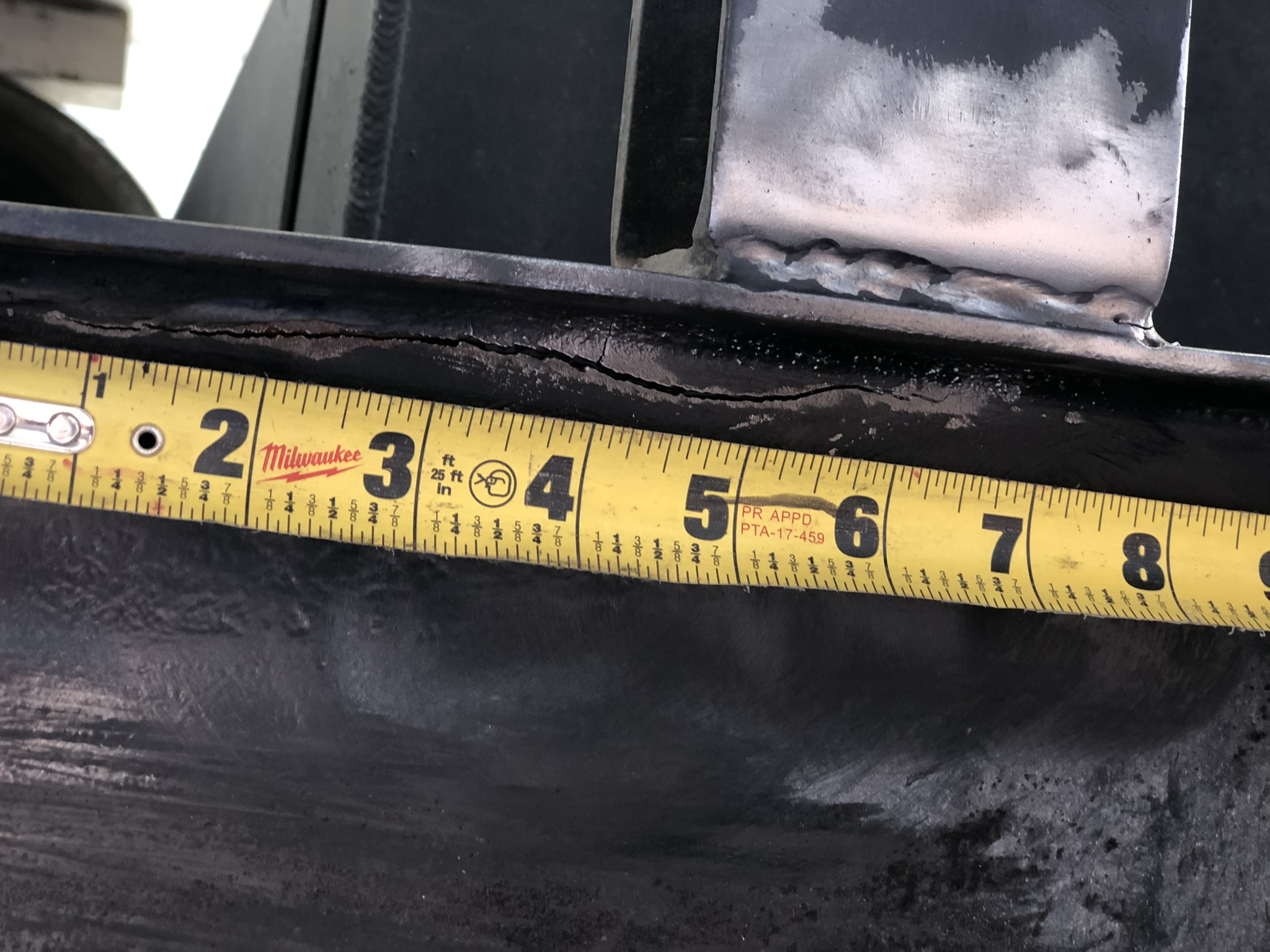
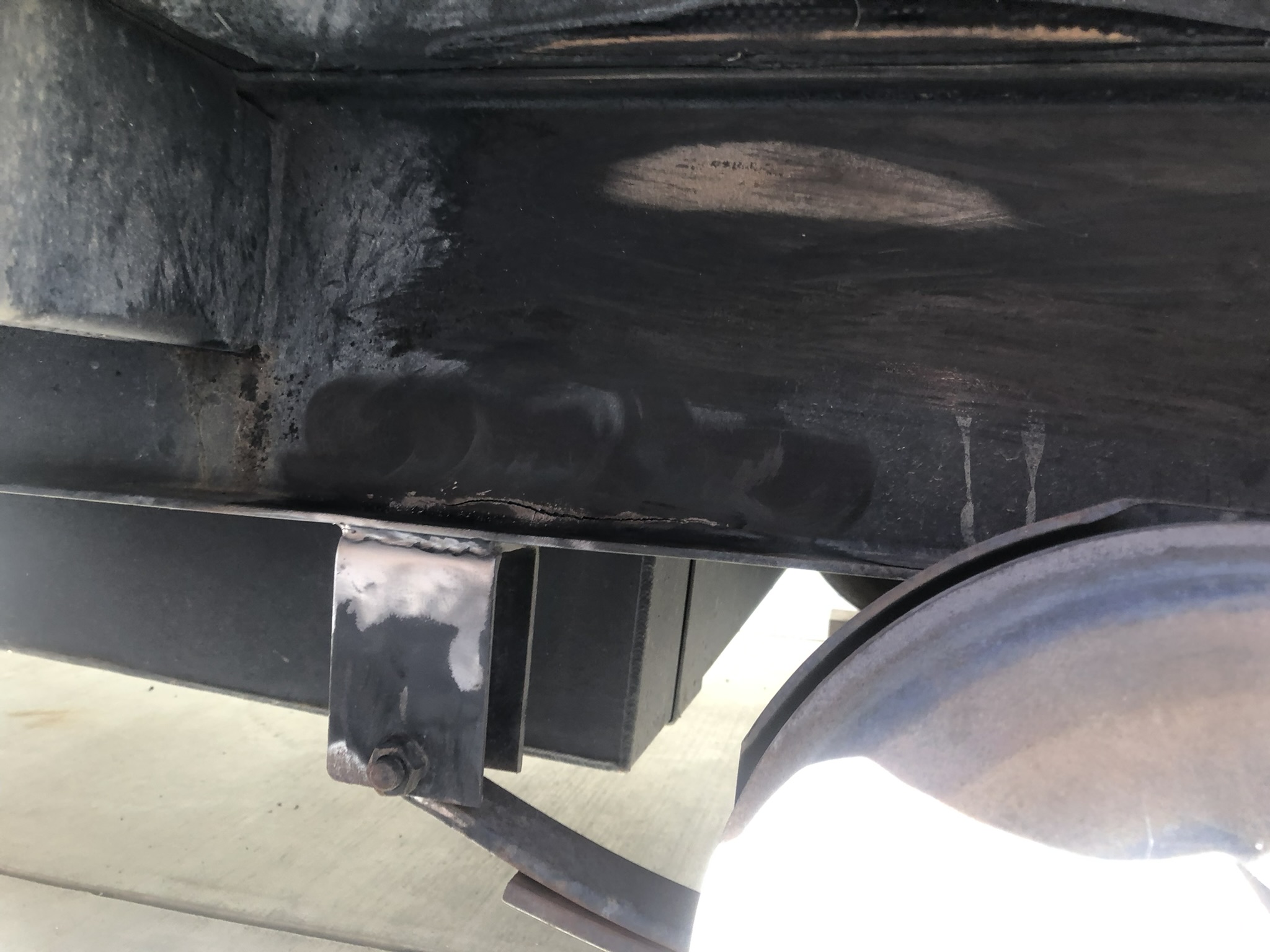
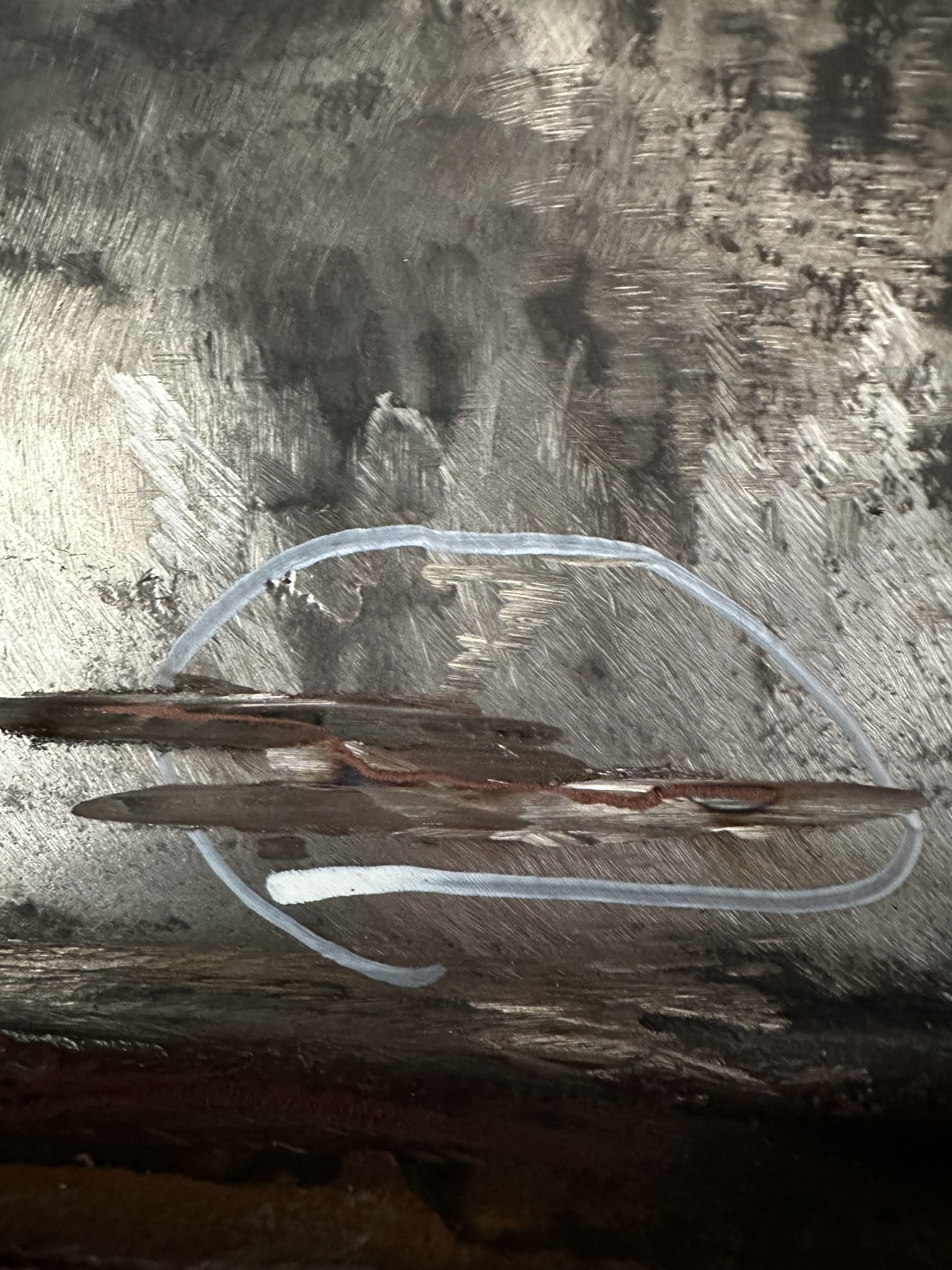
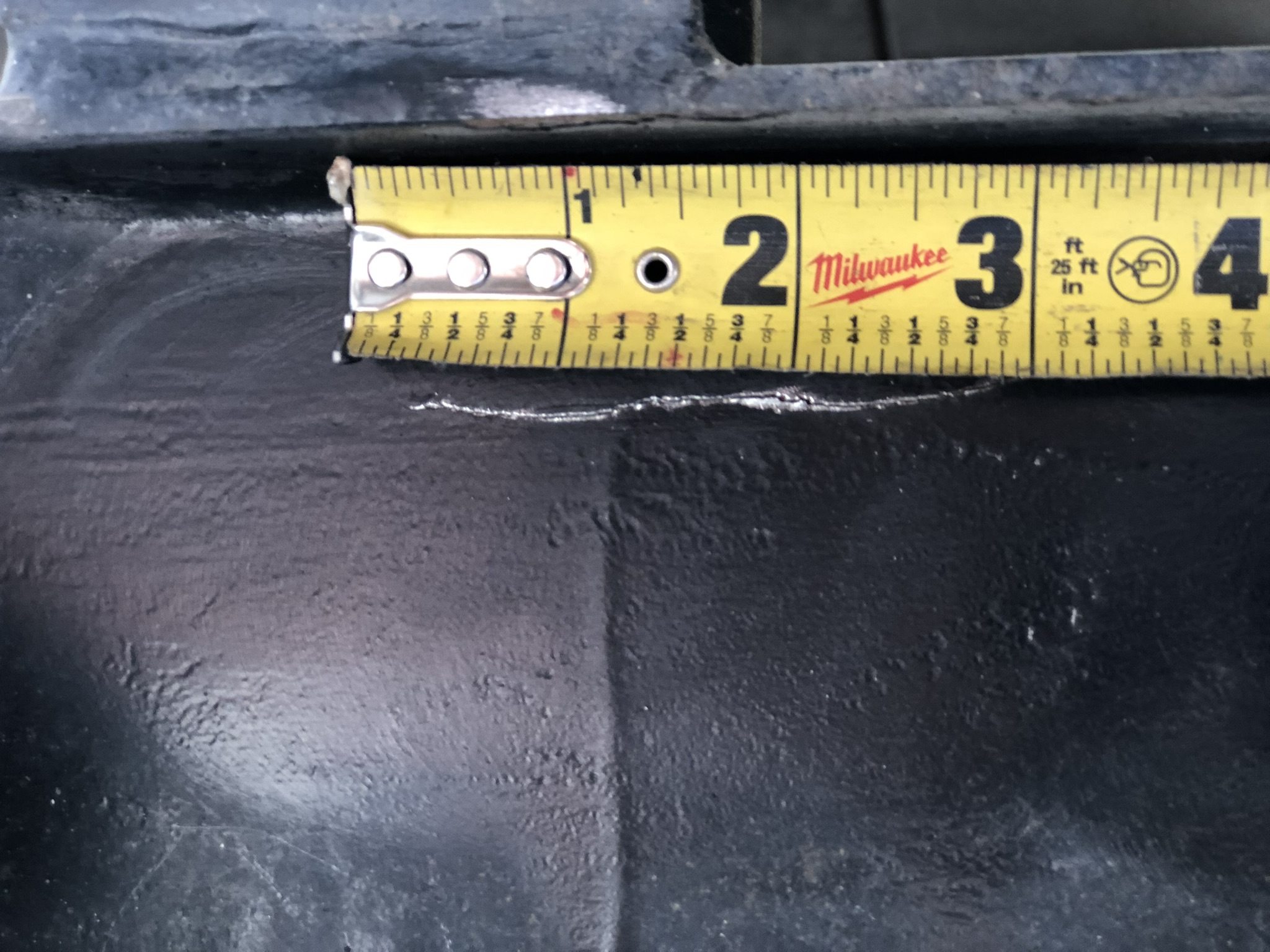
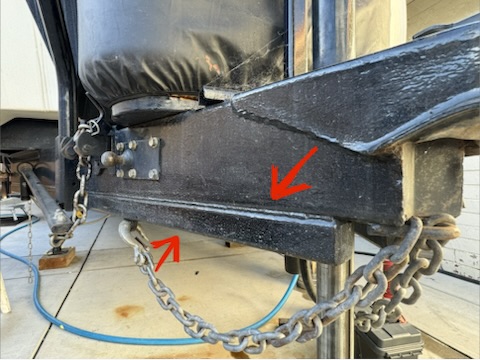
During the inspection, he identified several cracks along both sides of the frame where the cross beams tie into the main beams. It’s likely an issue that many RV owners have without ever even realizing it. In fact, Dustin inspected a family member’s trailer as well and found very large cracks above the axels (those photos are included as well)!
To properly repair the damage, Dustin excavated each crack and performed a magnetic particle inspection to ensure the cracks were completely removed before repairing them with TIG welding.

Reinforcing the Frame
Once the frame repairs were complete, the next step was making sure the problem wouldn’t happen again by strengthening the frame and making it something that actually works with our lifestyle.
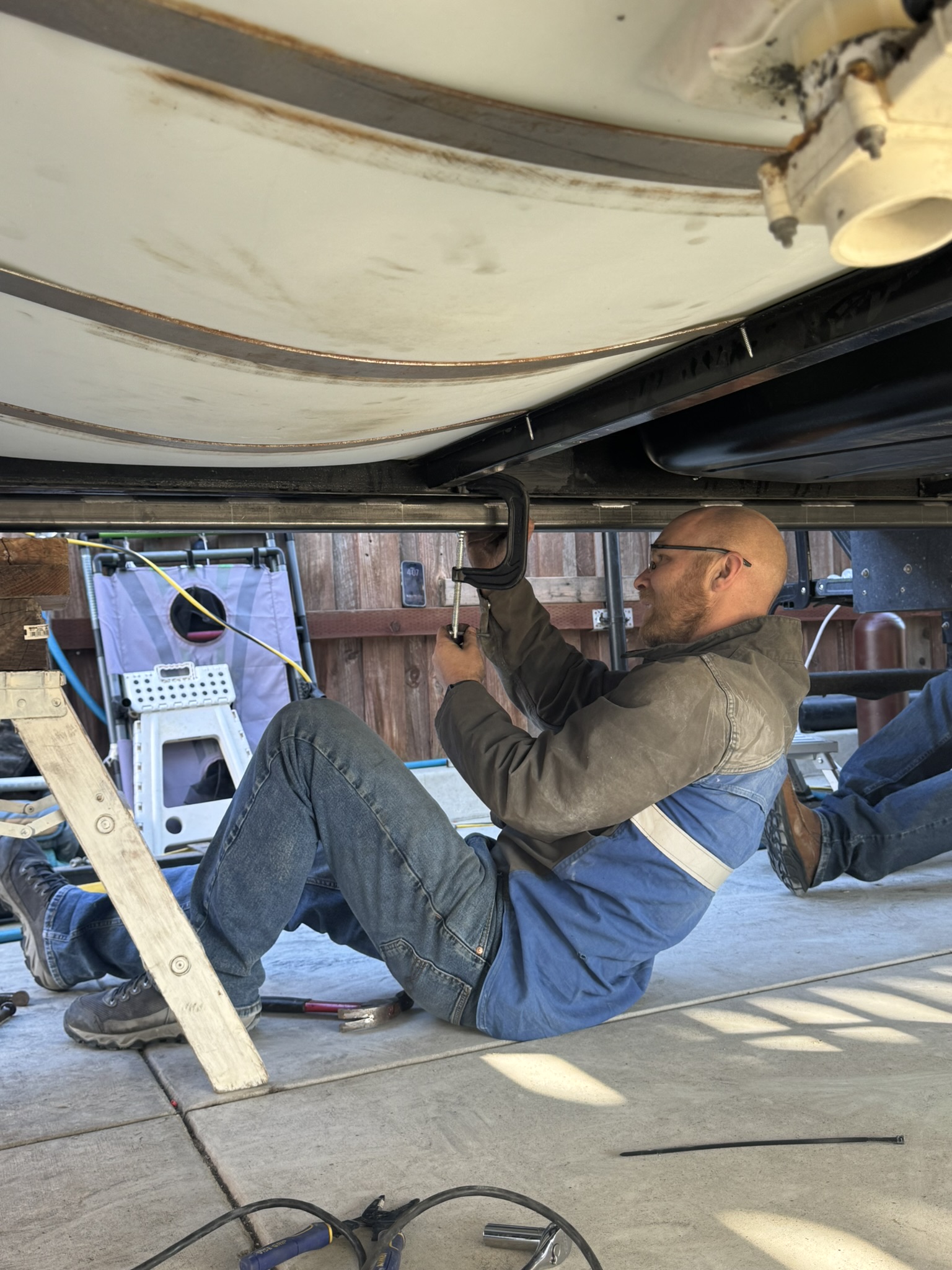
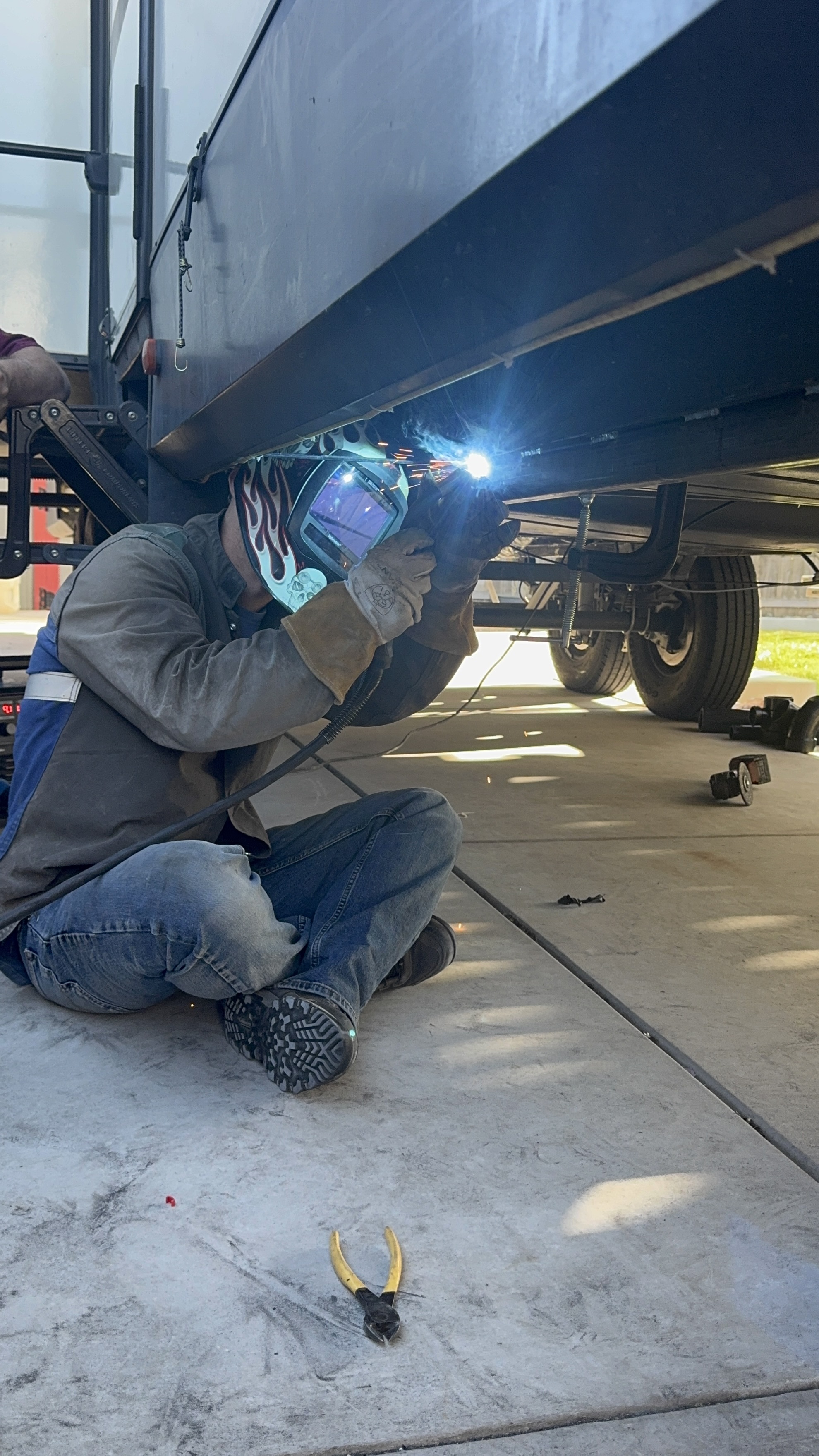
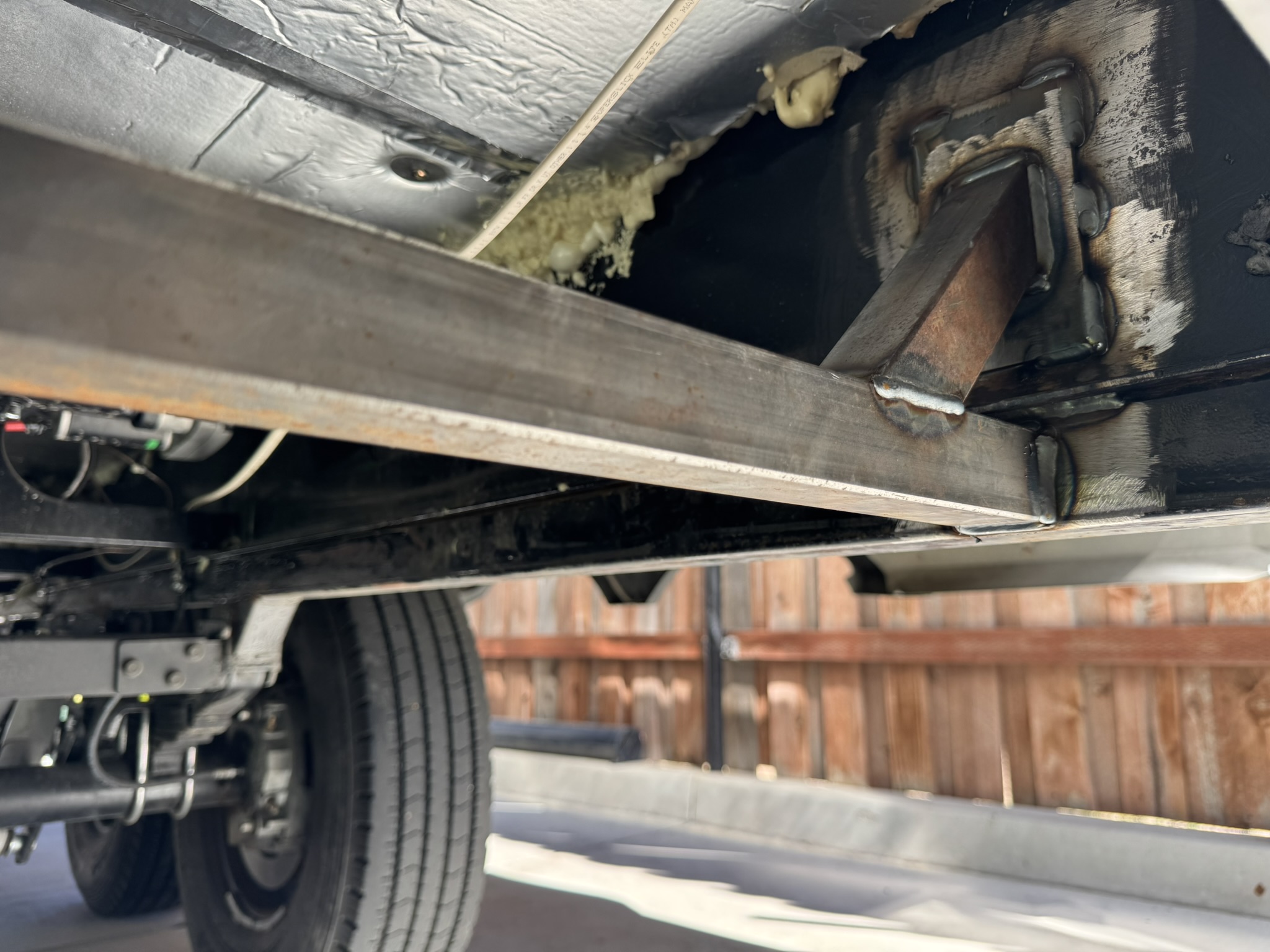
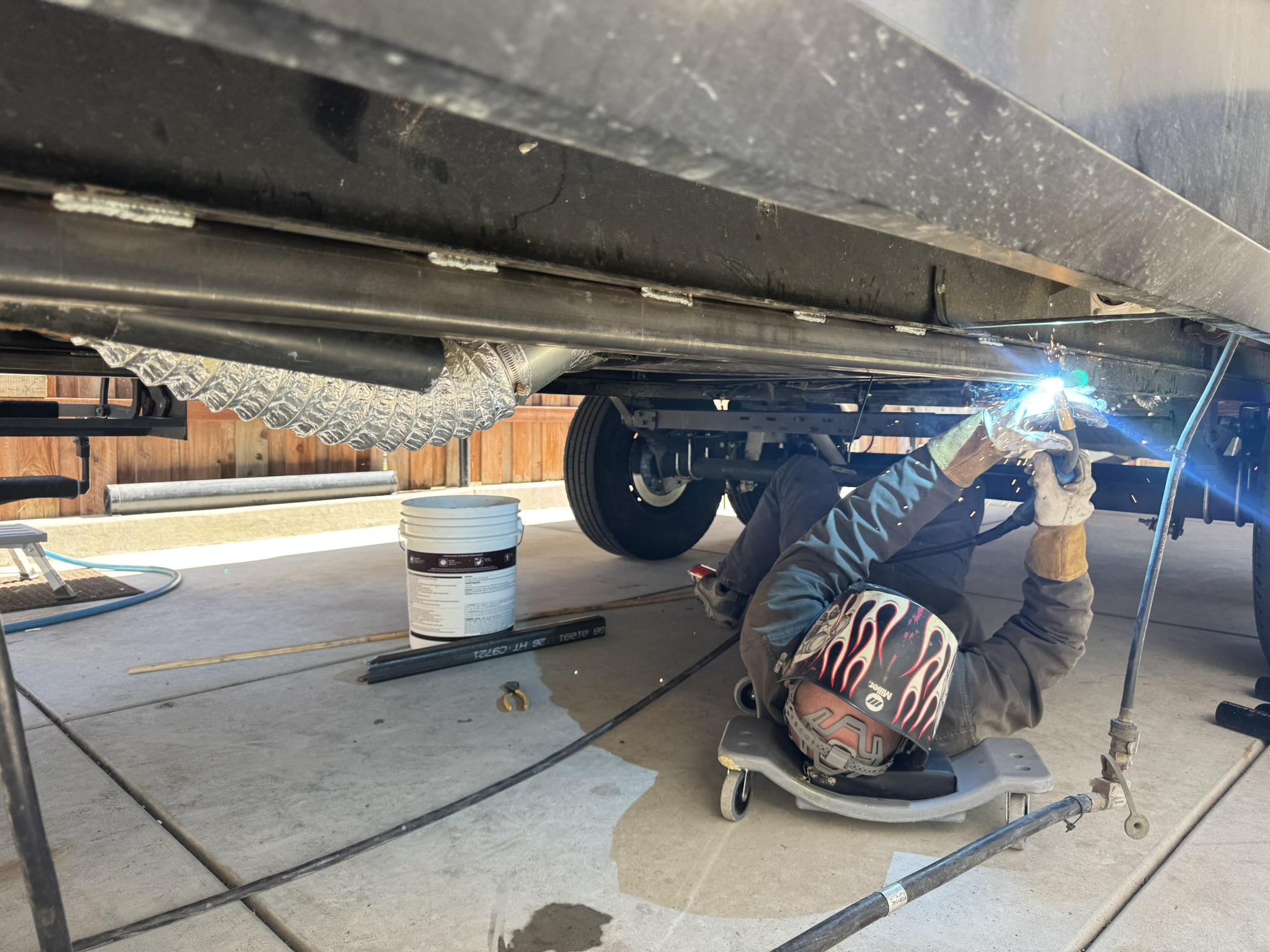
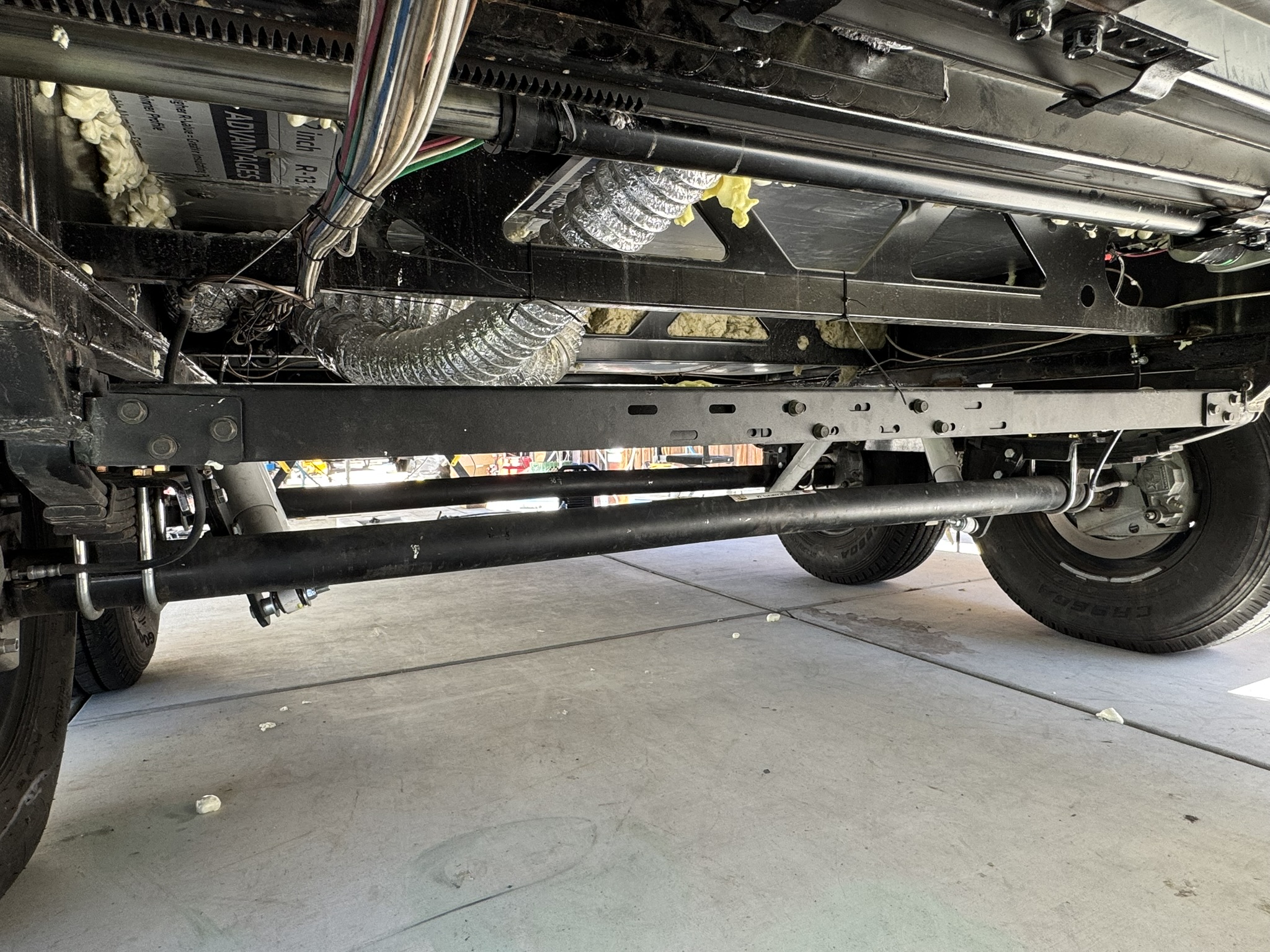
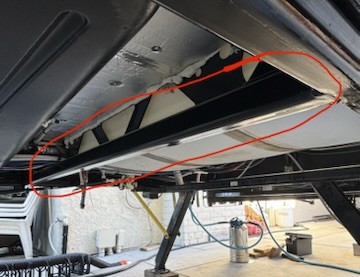
Over the next couple of weekends, Dustin reinforced the frame by welding additional steel along the entire length of the trailer. He added two-inch, 3/16” square tube steel along the bottom of the frame from the tip of the A-frame tongue all the way back past the axles.
He also added several additional crossmembers from side to side to strengthen the structure even further and tie everything together. (This helped tremendously with the stability inside when we are parked as well.)
I’ll spare you all the technical details (because frankly it’s just way over my head!), but if you’re really curious or considering something like this for your own trailer, feel free to shoot us an email. We’d be happy to talk through the process (and by we, once again, I mean Dustin!).
Upgrading the Running Gear
Thank goodness Dustin is good with the tools because reinforcing the frame was only the beginning! Since we already knew our trailer was overweight, we wanted to make sure the entire system—axles, suspension, tires, and brakes—was capable of safely handling the load.
Even after purging a lot of unnecessary items to drop weight, we decided to upgrade several key components.
We made the following upgrades:
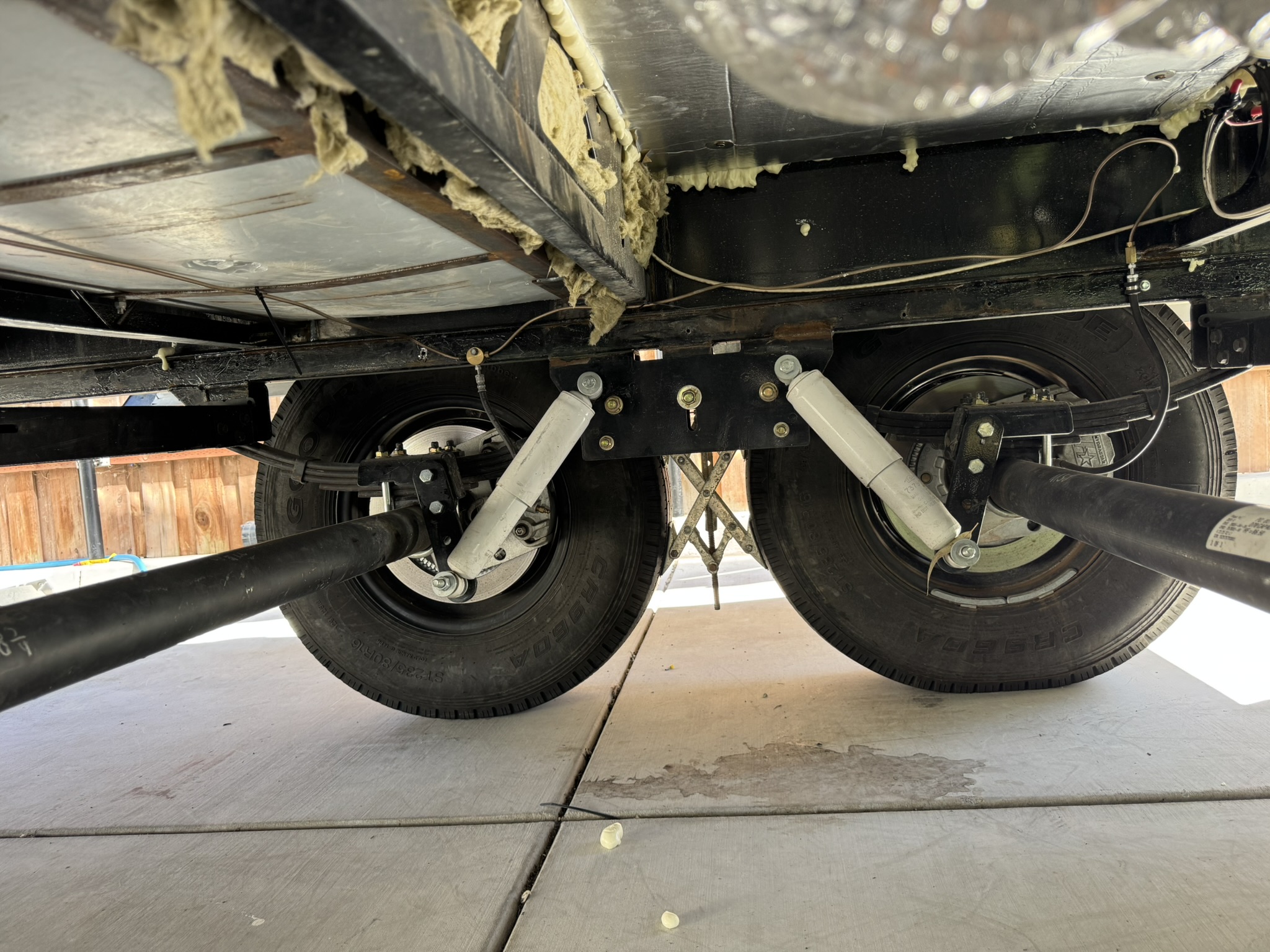
- Upgraded from 5,500 lb axles to 7,000 lb axles
- Installed a Roadmaster Comfort Ride suspension system rated for 14,000 lbs
- Added MORryde X-Factor crossmembers (https://shopmorryde.com/?ref=HallFamilyTravels7)
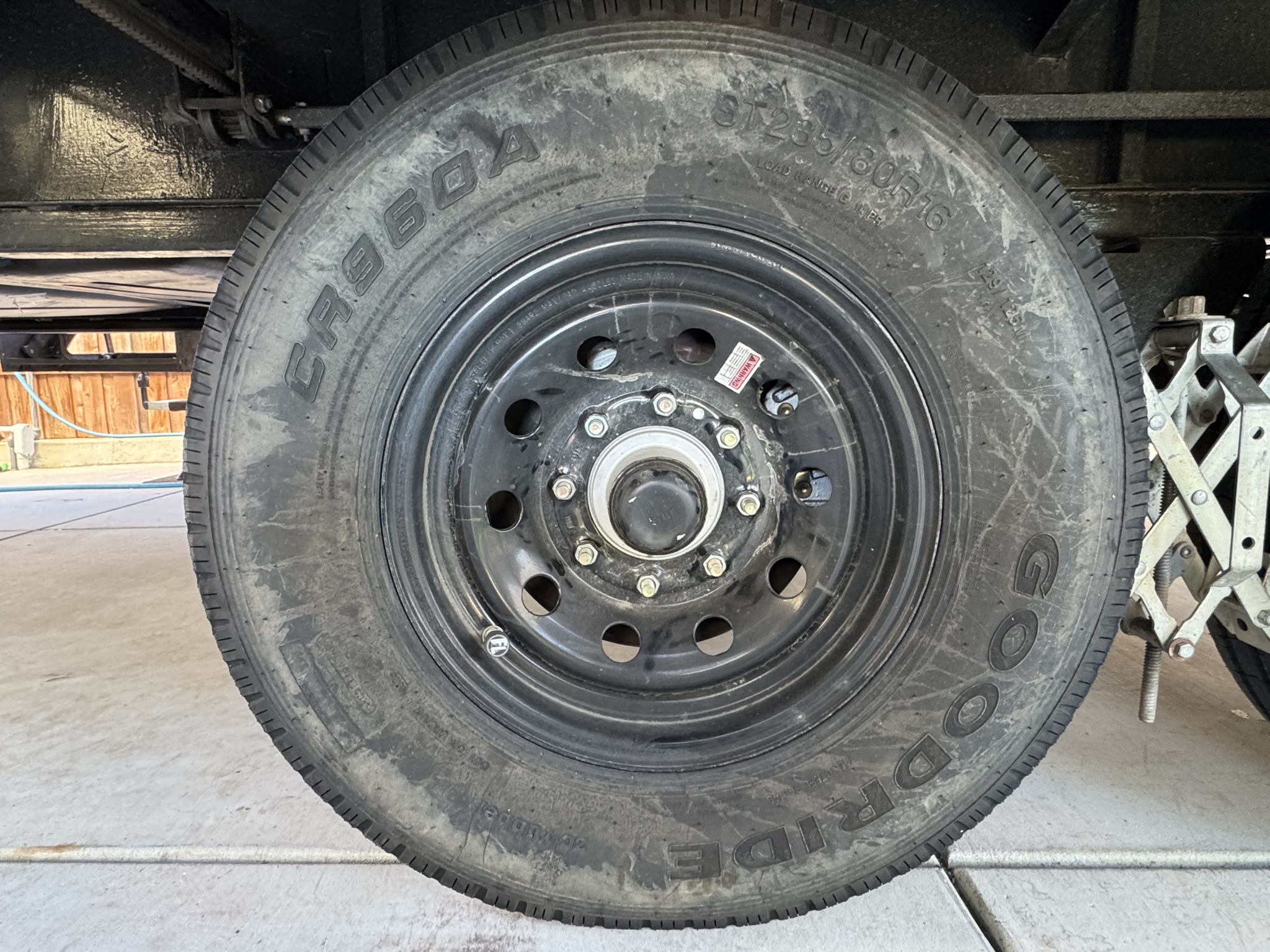
- Upgraded to Load Range G tires
- Switched to 8-lug wheels
- Installed a Hydrastar Disc Brake Kit
With these upgrades, our trailer’s effective capacity increased from around 11,000 lbs to approximately 14,000 lbs, likely even more when factoring in the additional frame reinforcement.
Safety First
Even with all these upgrades, we’re still very mindful of our weight.
We continue to travel with only what we truly need and regularly evaluate what we’re carrying. For us, this wasn’t about pushing our limits—it was about creating a stronger, safer setup for our family as we travel.
It may not be the most exciting upgrade we’ve made and boy was it a long and tedious process of grinding and welding, but knowing our trailer is structurally sound gives us peace of mind every time we hit the road.
And that’s something worth investing in.


Leave a Reply